

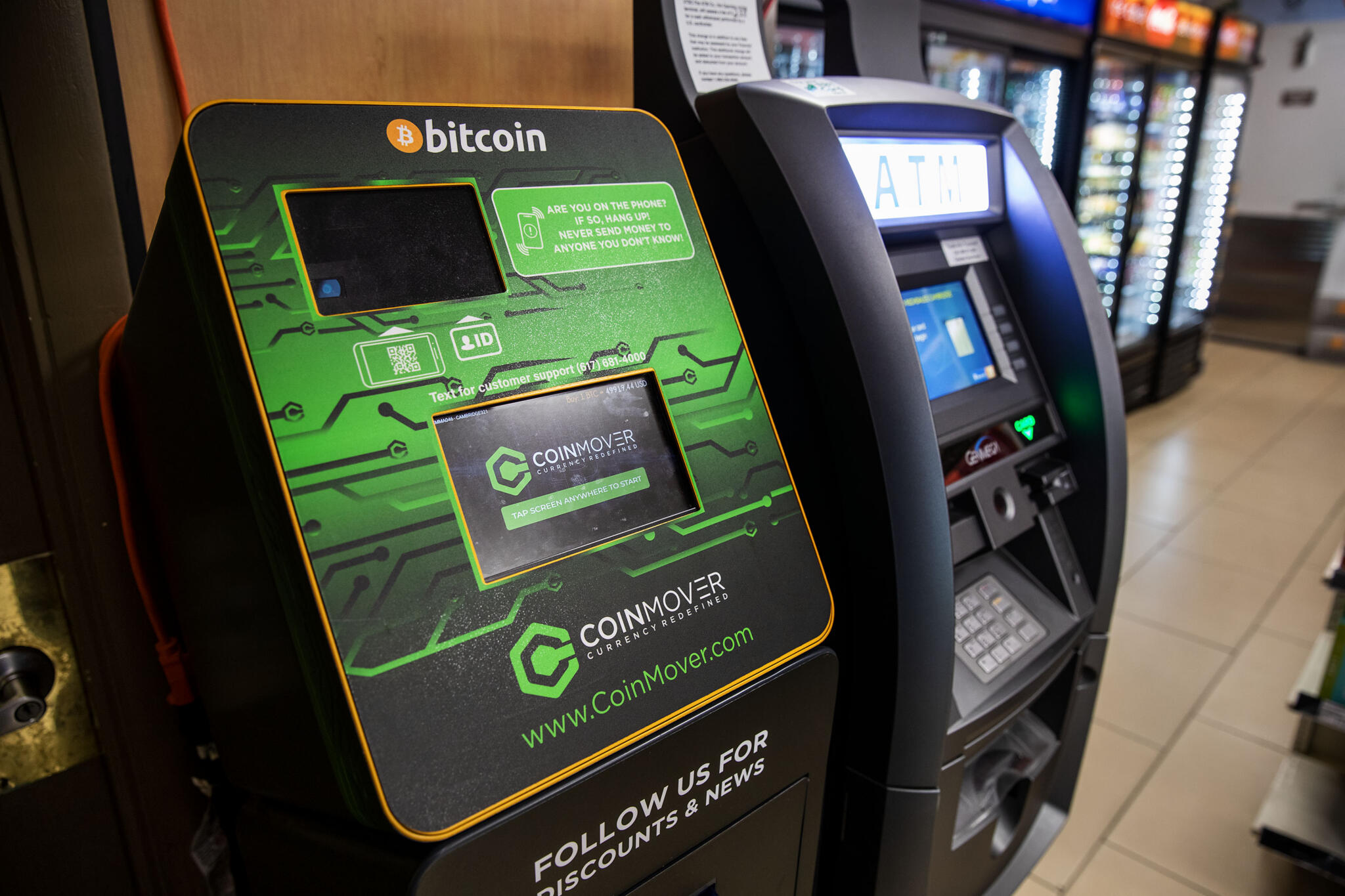
The Springfield City Council is getting ready to look at a full ban on cryptocurrency kiosks. Local leaders want to stop scammers from using these machines to take cash from residents. If the council passes the rule, stores across the city will have to remove these terminals.
What is a cryptocurrency kiosk?
A cryptocurrency kiosk looks just like a regular bank cash machine. You walk up to it in a corner store or gas station and insert paper bills. Instead of giving you cash back, the terminal buys digital coins like Bitcoin and sends them to a digital wallet. Many people call them crypto ATMs because they are fast and easy to use on the street.
People use these machines to buy tokens without opening an account at an online firm. You feed dollars into the slot, scan a code on your phone, and the trade happens in minutes. But because these transfers finish so fast, they also catch the eye of bad actors who want quick payments.
Why do scammers use crypto kiosks to steal money?
Scammers love crypto machines because digital cash moves fast and cannot be turned back. Once you send coins to an address, no bank manager can reverse the charge or return your cash. Thieves often call people on the phone, pretend to be police officers or utility workers, and demand quick payments. They tell the victim to go to a local kiosk, put real cash into the machine, and send the balance to a special barcode.
These tricksters use high pressure to scare honest people into acting without thinking first. They might claim your power will be cut off or that you owe back taxes right away. By the time the victim figures out the lie, the machine has sent the money away forever. City leaders in Springfield want to cut off this path so criminals cannot trap residents anymore.
What would a full ban mean for local shoppers?
A complete ban will change what you see inside your neighborhood grocery stores and gas stations. If the city council says yes to the ban, store owners must unplug the boxes and send them away. Anyone who wants to buy digital tokens will have to use regulated online sites from home instead of using paper cash on the corner.
- Corner stores will lose the kiosks sitting in their lobbies.
- Thieves will lose a common way to take cash from older residents.
- Shoppers will have to use secure internet platforms to buy coins.
This move is part of a larger push by local governments to step in when federal rules take too long. While some honest users might miss the ease of cash machines, officials believe safety comes first. Keeping families safe from total financial loss is worth the loss of an easy trade terminal.
What will happen next in Springfield?
The Springfield City Council will hold talks to hear from both neighbors and business owners. Council members will look closely at police reports to see how many people lost life savings at these spots. Store owners might speak up about losing the rent money that kiosk companies pay them each month. After these meetings, the council will take a vote on the final text of the ban.
If the vote passes, Springfield could inspire other nearby towns to take the exact same step. Other leaders are watching this debate to see if getting rid of kiosks actually reduces street-level fraud. For now, everyone who uses cash in the city should remember that no real agency ever asks for payments through a kiosk.