

You can keep your favorite memories while still freeing up physical space in your home. Sorting through emotional clutter works best when you set strict time limits, make clear categories, and use simple photo backups for fragile items. Follow this guide to sort through your old keepsakes without feeling any guilt.
How to Declutter Sentimental Things Without Guilt in Five Steps
Set a timer on your phone for exactly twenty minutes before you open a single box. Long sessions cause emotional fatigue, which leads to tough decisions and heavy guilt. Working in short bursts keeps your mind clear and helps you make quick, confident choices about what stays and what goes.
Pull out just one container at a time and clear a work surface like a kitchen table or bed. Gather four plain plastic bins and label them before you start pulling items out of the main box:
- Keepers: Items that bring pure joy and fit comfortably in your current space.
- Memory Box: Truly special items that you want to preserve in a clean storage bin.
- Digital Archive: Paper items, letters, or children's artwork that you can scan or photograph.
- Donate or Recycle: Items that have served their purpose and can be let go.

Create a Favorite Items Threshold for Every Category
Give yourself a firm limit on how many items you will keep in each category. If you have fifty greeting cards from old birthdays, choose your top five favorite cards and let the rest go. Setting a physical limit forces you to select only the most valuable items instead of keeping everything out of habit.
When an item feels hard to drop into the donate bin, focus on its current condition and real purpose. A broken trinket stored in a dark attic box for five years is not honoring a memory. Keeping just one representative piece from a large collection gives that item real honor while clearing out the extra bulk around it. You can learn more about general housekeeping habits to maintain this balance long after your sorting session ends.
Use Digital Photos to Preserve the Memory
Taking a clear photo of an object gives you permission to let the physical item go. Place the item on a plain white surface in good lighting, take a high-resolution photo with your phone, and save it to a dedicated digital photo album. You retain the visual memory instantly without taking up any square footage in your closets.
This digital strategy works wonders for bulky items, old school projects, and inherited home decor that does not match your current taste. Use this simple checklist for your digital archives:
- Scan handwritten notes or cards using a free phone scanning app.
- Take one clear photo of large trophies, childhood toys, or old outfits.
- Back up your photos to a secure cloud folder labeled Memory Keepers.
- Pass the physical item to a local donation center so someone else can use it.
Set Up a Designated Keepsake Box
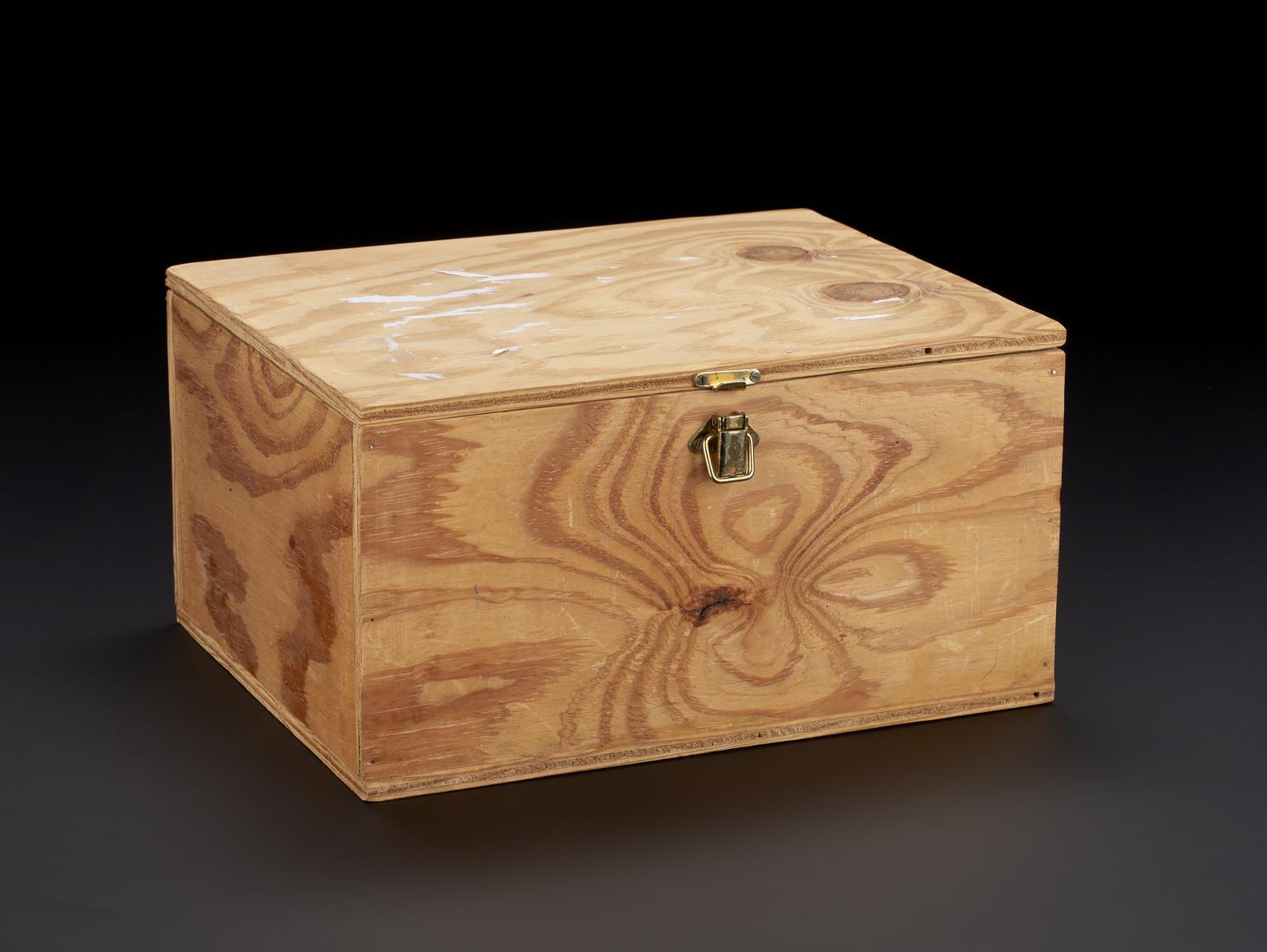
Limit your long-term sentimental storage to one or two waterproof plastic bins per family member. Storing items in standard archival containers protects them from dust, moisture, and pests over the years. When the container is full, you must remove an older item before adding a new one to the box.
Store your designated keepsake bin on a easy to reach shelf in a dry closet rather than a damp basement or hot attic. Keeping your special memories safe and accessible reminds you that these items matter. If you need support with severe home clutter, seeking help from professional organizing resources can help you build long-term momentum.
Handle Family Heirlooms with a Clear Plan
Inherited items often bring the heaviest feelings of obligation and unwanted guilt. Remember that an item passed down to you was meant to be a gift, not a permanent burden on your living space. If an heirloom does not fit your home or daily life, it is completely okay to release it.
Offer the item to family members first by sending a group photo with a firm two-week response deadline. If no one claims the item within those fourteen days, donate it to a local charity shop or museum. Releasing the item allows a new owner to appreciate it, while your home stays peaceful, functional, and organized.